January is typically the coldest month in Shreveport and Bossier City, and it’s also when many homeowners begin to notice changes in their heating system’s performance. Heaters seem to run longer, energy bills creep higher, and some rooms never quite feel warm enough.
While some increased heater activity is normal during winter, January places unique demands on heating systems in North Louisiana. Understanding why your heater is working harder can help you spot issues early and avoid inconvenient breakdowns during peak cold weather.
Colder Temperatures Mean Longer Heating Cycles
As outdoor temperatures drop, your heater must work longer to maintain a comfortable indoor environment. In January, overnight lows often stay cold for extended periods, which means your system cycles more frequently and runs for longer stretches.
This sustained operation increases wear on internal components and raises energy usage. A properly functioning system should still keep your home comfortable, but excessive run times can signal inefficiency.
Air Filters Get Dirty Faster in Winter
One of the most common winter heating issues LenAire technicians see is restricted airflow caused by dirty air filters. During January, heating systems pull more air through the filter as they run more often.
When airflow is restricted:
- Warm air struggles to circulate properly
- The heater works harder to reach the thermostat setting
- Energy usage increases
Replacing filters regularly during winter is one of the easiest ways to improve system efficiency and reduce strain.
Heat Loss Forces Your Heater to Compensate
Many homes in Shreveport and Bossier City lose heat through attic spaces, windows, doors, and ductwork. When warm air escapes, your heater compensates by running longer cycles to make up for the loss.
Signs of heat loss often include uneven temperatures, cold rooms, or drafts near windows and doors. Even a well-maintained heater will struggle if heat is constantly escaping.
Mechanical Wear Becomes Noticeable in January
Components such as blower motors, belts, sensors, and electrical connections experience the most stress during January. Parts that held up through fall may begin to fail under sustained winter demand.
This is why January is one of the most common months for heating repair calls. Addressing small issues early can prevent larger system failures later in the season.
Thermostat Issues Can Increase Heater Workload
If your thermostat is outdated or improperly calibrated, it may misread indoor temperatures. This causes the heater to run longer than necessary or cycle incorrectly.
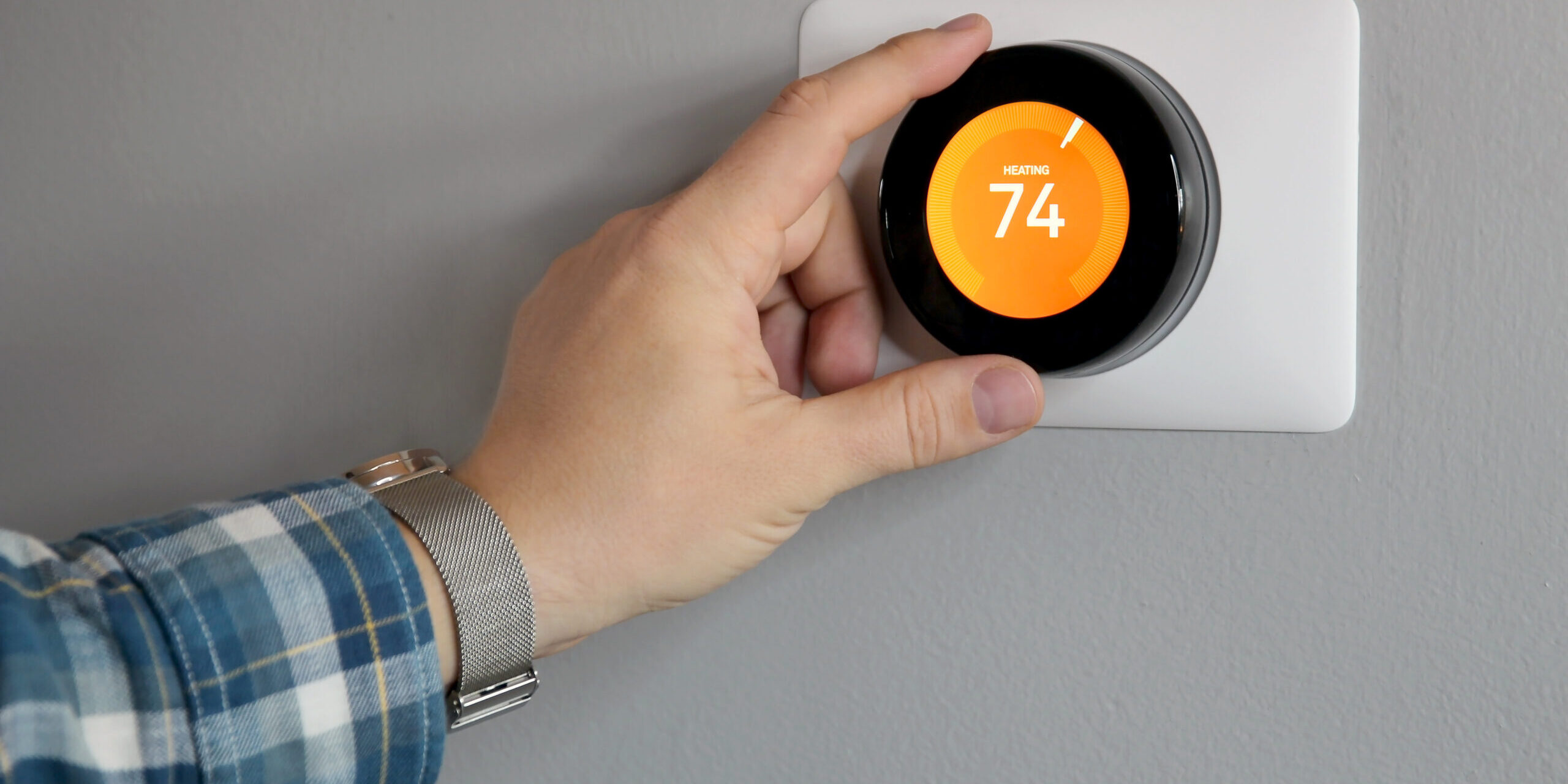
Smart or properly calibrated thermostats help regulate heating cycles more efficiently, reducing unnecessary strain on the system.
Rising Energy Bills Are Often a Warning Sign
Many homeowners first notice heating issues when their January utility bill arrives. If your bill increases significantly without a major change in usage, your heater may be compensating for inefficiency, airflow restrictions, or worn components.
Ignoring these signs can lead to higher costs and shortened system lifespan.
When Increased Heater Activity Is Not Normal
Some extra run time in January is expected, but you should call a professional if you notice:
- Constant operation without reaching set temperature
- Loud or unusual noises
- Uneven heating throughout the home
- Sudden spikes in energy bills
A LenAire technician can evaluate system performance and identify issues before they worsen.
When to Call a LenAire Technician
If your heater runs constantly, struggles to keep up, or causes unexplained spikes in your energy bill, it may be time to call a professional. A LenAire technician can inspect airflow, electrical components, and system performance to keep your home comfortable through the rest of winter.